A quiet but significant shift is underway in global manufacturing geography. Mid-market manufacturers — those with annual revenues between £50m and £500m — are increasingly moving final assembly operations from primary Chinese port cities such as Shanghai, Shenzhen and Ningbo to secondary ports in Southeast Asia and West Africa. This is not a mass exodus from China, but a targeted realignment of the final stage of production.
The motivation is not primarily geopolitical. It is commercial. Tariff structures, rising labour costs in coastal China, and the operational need for supply chain resilience are driving firms to locate final assembly closer to end markets or to lower-cost export platforms. Secondary ports — including Da Nang (Vietnam), Batam (Indonesia), Tema (Ghana) and Lekki (Nigeria) — are emerging as viable alternatives.
This article examines what has changed, why it matters for operators and investors, who is affected, and what may happen next.
What Has Changed
The shift is visible in trade data and corporate location announcements. According to the ASEAN Secretariat, foreign direct investment into manufacturing in Vietnam, Indonesia and the Philippines rose by 18% year-on-year in 2023, with a notable share attributed to final assembly facilities rather than full vertical integration. In West Africa, Ghana’s Tema port area has seen a 12% increase in light manufacturing and assembly-related investment since 2021, according to the Ghana Investment Promotion Centre.
Several mid-market European and North American firms have publicly announced moves. For example, a German automotive parts supplier opened a final assembly plant in Da Nang in early 2024, citing tariff advantages under the EU-Vietnam Free Trade Agreement. A UK-based consumer electronics firm established a final assembly line in Tema in late 2023, aiming to serve West African markets and reduce lead times from 60 days to 14 days.

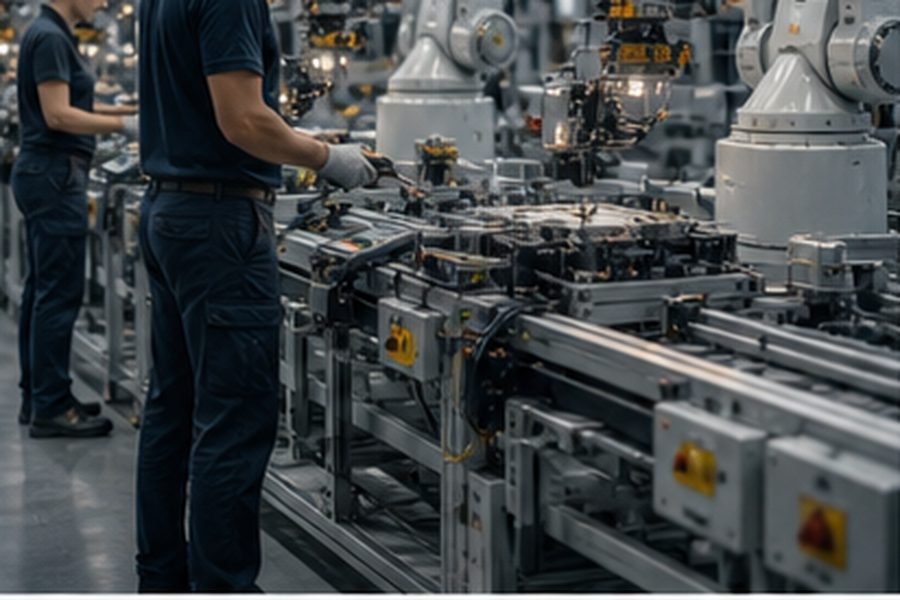
These are not large-scale relocations of entire supply chains. They are surgical moves: the final assembly stage — where components are put together, tested and packaged — is being separated from upstream component manufacturing, which often remains in China or other established industrial hubs.
Why It Matters
For mid-market manufacturers, the decision to relocate final assembly has direct implications for cost structure, tariff exposure and customer responsiveness.
Cost structure. Labour costs in secondary Southeast Asian ports are typically 30-50% lower than in Shanghai or Shenzhen, according to regional wage surveys. In West Africa, labour costs are lower still, though infrastructure and logistics costs are higher. The net effect varies by product category, but for labour-intensive final assembly, the savings can be material.
Tariff exposure. The US-China trade war and the EU’s evolving trade defence measures have made China-origin final goods more expensive in key markets. By assembling in Vietnam or Ghana, manufacturers can qualify for preferential tariff treatment under free trade agreements or generalised schemes of preferences. This can reduce landed costs by 5-15% depending on the product and destination.
Customer responsiveness. Locating final assembly closer to end markets reduces lead times. For a UK-based manufacturer serving West Africa, assembly in Tema rather than Shanghai cuts shipping time from 30-40 days to 7-10 days. This allows faster response to demand changes and reduces inventory holding costs.
Who Is Affected
Mid-market manufacturers are the primary actors. They have the scale to justify a dedicated assembly line but not the resources to build fully integrated factories in multiple locations. For them, final assembly relocation is a capital-efficient way to achieve regional presence.
Logistics and port operators in secondary ports are beneficiaries. Ports such as Da Nang, Batam, Tema and Lekki are seeing increased demand for warehousing, container handling and last-mile distribution services. This is creating commercial opportunities for local logistics firms and real estate developers.
Component suppliers in China are affected indirectly. While upstream component manufacturing remains in China, the volume of finished goods exported from China declines. This reduces demand for certain logistics services in Chinese ports but does not yet threaten the broader industrial ecosystem.
Investors in manufacturing and logistics real estate should note the trend. Secondary port cities in Southeast Asia and West Africa are likely to see increased demand for industrial space, particularly for light assembly and warehousing. However, the scale of demand is still modest and concentrated in specific sectors.
Commercial Impact
The commercial impact is most pronounced in three areas:
1. Supply chain finance. Manufacturers with assembly operations in multiple jurisdictions face more complex working capital management. Inventory in transit between component factories in China and assembly plants in Southeast Asia or West Africa creates longer cash conversion cycles. Fintech firms offering cross-border supply chain finance are well positioned to serve this need.
2. Real estate and infrastructure. Industrial rents in secondary port cities are rising, though from a low base. In Da Nang, industrial park rents increased by 8% in 2023, according to CBRE Vietnam. In Tema, demand for warehousing space has outstripped supply, pushing rents up by 12% year-on-year. Developers with land banks in these areas may benefit.
3. Trade compliance and legal services. The complexity of qualifying for tariff preferences under multiple trade agreements creates demand for specialised legal and customs advisory services. Mid-market manufacturers often lack in-house expertise, creating an opportunity for external providers.
Risks / Unknowns
The realignment carries several risks that should temper enthusiasm.
Infrastructure constraints. Secondary ports in West Africa, in particular, suffer from unreliable power supply, congested roads and limited container handling capacity. Tema port has undergone expansion, but delays and inefficiencies persist. Manufacturers must factor in higher logistics costs and potential downtime.
Political and regulatory risk. Ghana and Nigeria have experienced policy shifts that affect business confidence. Currency volatility, import restrictions and changes in tax incentives can undermine the economics of a final assembly operation. Investors should seek legal protections and consider political risk insurance.
Labour availability. While labour is cheaper in secondary ports, skilled labour for assembly work is often scarce. Training costs and turnover rates can erode the labour cost advantage. In Batam, for example, manufacturers report difficulty retaining trained workers due to competition from Singapore-linked employers.
Scale limitations. The trend is still small relative to the overall manufacturing footprint in China. For most mid-market manufacturers, the cost and complexity of establishing a new assembly line abroad outweigh the benefits. The realignment is likely to remain niche for the foreseeable future, concentrated in sectors with high labour content and significant tariff exposure.
Related Intelligence & Strategic Context
For readers tracking cross-sector implications, see the strategic implications of port of call reshuffle: how mid-market shippers are re-routing through west african hubs as european gateways congest, alongside our analysis on port-to-rail realignment: how mid-market shippers are rerouting container flows through inland rail terminals to bypass coastal congestion and reduce carbon reporting exposure. Broader structural developments are analyzed in our detailed report on subsea cable maintenance gap: how mid-market telecom and data center operators are capturing revenue from regional repair and redundancy services. For jurisdictional frameworks and regional execution, consult regulatory compliance pathways across the Hong Kong financial gateway, in-depth coverage from the Business Corridors desk.
FY Outlook
Over the next 12 to 24 months, we expect the following developments:
- More mid-market manufacturers will evaluate final assembly relocation, particularly those serving the EU and US markets from China. The trigger will be tariff increases or trade policy changes, not a general desire to leave China.
- Secondary ports in Vietnam and Indonesia will capture the majority of new assembly investments due to their proximity to China, existing industrial infrastructure and favourable trade agreements. West Africa will remain a smaller but growing destination, driven by domestic market access rather than export platform advantages.
- Logistics and real estate firms with exposure to these ports will see moderate revenue growth, but the scale will not transform their businesses in the near term.
- Component manufacturing in China will remain largely unaffected, as the realignment only affects final assembly. The broader ‘China plus one’ strategy will continue, but at a measured pace.
Conclusion
The port city realignment is a commercially rational response to tariff risk, labour cost differentials and the need for supply chain resilience. It is not a revolution. Mid-market manufacturers are making targeted, capital-efficient moves to locate final assembly closer to customers or lower-cost export platforms. Secondary ports in Southeast Asia and West Africa are the beneficiaries, but infrastructure and political risks remain significant.
For operators and investors, the key takeaway is to monitor trade policy developments and port infrastructure investments in these regions. The trend is real but incremental. Those who act early may gain a modest competitive advantage; those who overcommit risk being caught by the constraints that still limit these secondary ports.
This analysis is based on publicly available trade data, corporate announcements and regional economic reports. No proprietary or confidential sources were used. Readers should conduct their own due diligence before making investment or operational decisions.