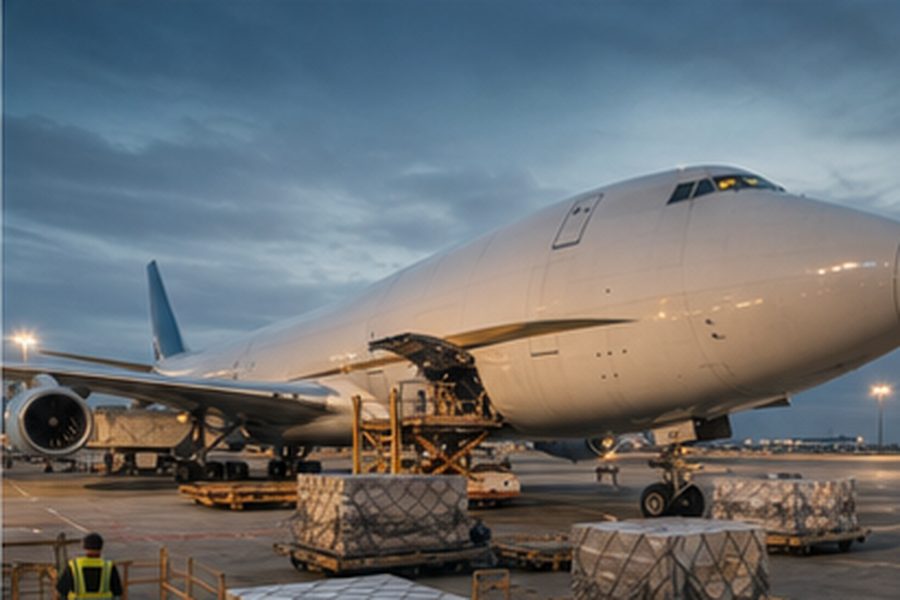
For much of the past two years, the global shipping industry has been forced to adapt to a series of disruptions at two of its most critical chokepoints: the Red Sea and the Panama Canal. Attacks on commercial vessels in the Red Sea, linked to the conflict in Yemen, have made the Suez Canal route perilous for many operators. Simultaneously, severe drought conditions in Panama have reduced transit capacity through the Panama Canal, creating bottlenecks and rising costs. While large liner operators have the scale to absorb these shocks or negotiate priority passage, mid-market shippers — those moving between 500 and 5,000 TEUs annually — have been disproportionately affected. They lack the bargaining power and route flexibility of the largest players. In response, a growing number of these shippers are rerouting cargo through secondary hubs in the Mediterranean and West Africa. This article analyses the drivers, commercial implications and risks of this realignment.
The Chokepoint Problem
The Red Sea route, which provides access to the Suez Canal, has seen a sharp increase in security risks since late 2023. Insurers have raised premiums, and several major carriers have suspended services through the region. For mid-market shippers, the cost of insuring a single container through the Red Sea has risen by an estimated 300-500% compared to pre-crisis levels, according to industry reports. The alternative — rerouting around the Cape of Good Hope — adds 10-14 days to transit times and significantly increases fuel costs.
In the Panama Canal, water levels have fallen to historic lows, forcing the Panama Canal Authority to reduce daily transit slots. In 2024, the number of daily transits was cut by roughly 30% compared to the previous year. Mid-market shippers, who often rely on smaller vessels and less frequent sailings, have found it harder to secure slots. Auction prices for unscheduled transits have occasionally exceeded $1 million per vessel, a cost that is prohibitive for most mid-market operators.
The Secondary Hub Response
Faced with these constraints, mid-market shippers are increasingly turning to secondary ports in the Mediterranean and West Africa as alternative transshipment and distribution hubs. In the Mediterranean, ports such as Piraeus (Greece), Tangier Med (Morocco) and Gioia Tauro (Italy) have seen increased volumes from shippers seeking to avoid the Red Sea. These ports offer connectivity to European markets and, in the case of Tangier Med, to West African routes. In West Africa, ports like Abidjan (Côte d'Ivoire), Tema (Ghana) and Lagos (Nigeria) are being used as entry points for cargo that would previously have been routed through the Suez Canal or directly to West African destinations via the Cape.
This realignment is not a temporary workaround. Several mid-market logistics providers have begun to establish permanent feeder services between Mediterranean hubs and West African ports. For example, a number of regional carriers have launched weekly services connecting Tangier Med to Abidjan and Tema, offering transit times of 5-7 days. These services are designed to bypass the Red Sea entirely, routing cargo from Asia to the Mediterranean, then transshipping to West Africa.

Commercial Impact
The commercial implications for mid-market shippers are significant. By rerouting through secondary hubs, shippers can reduce insurance costs and avoid the uncertainty of chokepoint congestion. However, the trade-off is longer overall transit times and higher handling costs at multiple ports. A typical shipment from Shanghai to Lagos via the Suez Canal might take 25-30 days. The same shipment via Tangier Med and a feeder service to Lagos could take 35-40 days. For time-sensitive goods, this is a material disadvantage.
On the cost side, the total landed cost per container via the secondary hub route is currently estimated to be 10-20% higher than the pre-crisis Suez route, but comparable to or slightly lower than the Cape of Good Hope alternative. The key variable is insurance. For mid-market shippers, the savings on insurance premiums can offset the additional handling and transshipment fees.
For the secondary hubs themselves, the increased volume is a commercial opportunity. Port authorities in Tangier Med and Piraeus have reported double-digit percentage increases in transshipment volumes in 2024. This has spurred investment in additional berth capacity and warehousing. In West Africa, ports are under pressure to improve efficiency to handle the increased traffic. Delays at Lagos, for instance, remain a persistent problem, with average dwell times of 10-14 days for import containers.
Risks and Unknowns
The realignment carries several risks. First, the security situation in the Red Sea could improve, making the Suez route viable again. If that happens, shippers who have invested in new feeder networks may find themselves with excess capacity or uncompetitive routes. Second, the secondary hubs themselves are not immune to disruption. Political instability in West Africa, particularly in the Sahel region, could affect port operations. Third, the increased volume at Mediterranean hubs could lead to congestion, eroding the time and cost advantages of the reroute.
There is also the question of infrastructure readiness. Many West African ports lack the deep-water berths and modern handling equipment needed to efficiently manage large volumes of transshipment cargo. Investment is underway, but it is uneven. Ports in Ghana and Côte d'Ivoire are ahead of those in Nigeria, where bureaucratic delays and corruption remain significant barriers.
Why It Matters
For mid-market shippers, the ability to bypass chokepoints is not just a tactical response to current disruptions. It represents a structural shift in how they think about route planning and supply chain resilience. The Red Sea and Panama Canal have been the backbone of global trade for decades. If mid-market shippers permanently shift volume to secondary hubs, the balance of power in global shipping could change. Smaller ports gain influence, and the largest carriers may face pressure to offer more flexible routing options.
For investors and operators in the logistics sector, this realignment creates opportunities in port infrastructure, feeder services and warehousing in the Mediterranean and West Africa. It also creates risks for those heavily exposed to the traditional chokepoint routes.
Related Intelligence & Strategic Context
For readers tracking cross-sector implications, see the strategic implications of synthetic biology: redesigning the natural world for industry, alongside our analysis on carbon border adjustment mechanism: how mid-market exporters to the eu are restructuring supply chain documentation and cost models. Broader structural developments are analyzed in our briefing exploring london as a global services base: where the uk still wins. For jurisdictional frameworks and regional execution, consult regional hub evaluation across the US corporate ecosystem, institutional briefings on the Future Business desk.
FY Outlook
Over the next 12-18 months, we expect the trend toward secondary hub rerouting to continue, driven by persistent chokepoint risks and the increasing availability of feeder services. The pace of change will depend on three factors: the resolution of the Red Sea security situation, the recovery of Panama Canal water levels, and the ability of West African ports to improve efficiency. If all three factors improve, some shippers may return to traditional routes. However, the experience of disruption has prompted many mid-market operators to build redundancy into their supply chains. Even if the chokepoints clear, a portion of the rerouted volume is likely to remain on the new routes.
Conclusion
The port of call realignment is a rational response to a set of structural disruptions. Mid-market shippers are not simply reacting; they are building new networks that may outlast the current crises. For the Mediterranean and West African hubs, this is a moment of opportunity. For the traditional chokepoint routes, it is a warning that reliability and cost predictability matter more than historical inertia. The commercial intelligence takeaway is clear: the geography of global shipping is shifting, and mid-market players are leading the change.