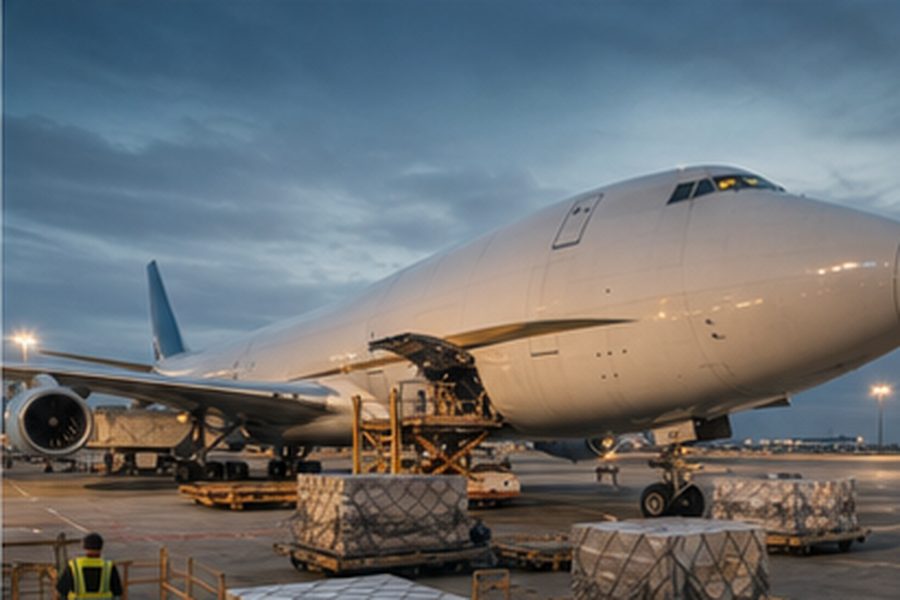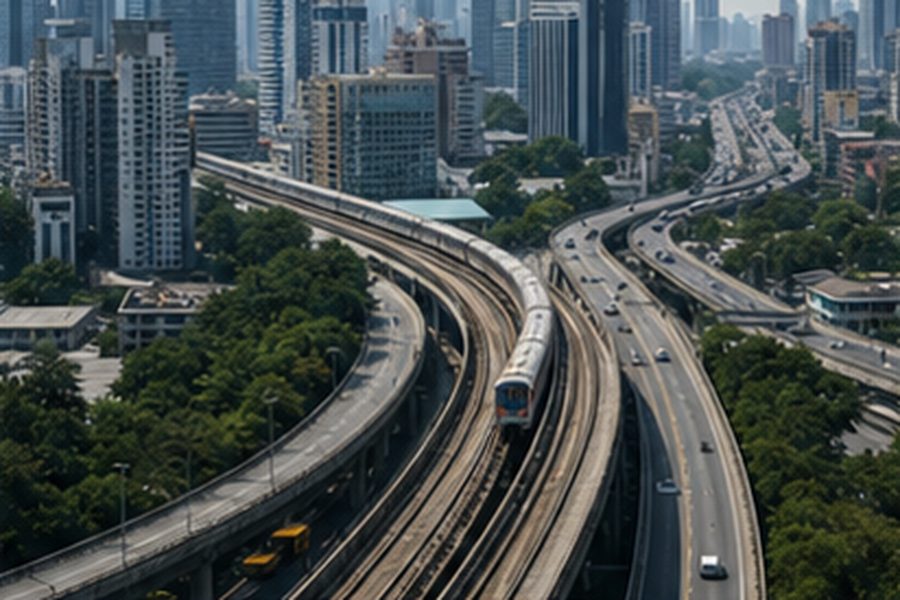
The concentration of global container traffic through a small number of major ports has long been a source of efficiency and vulnerability. Recent climate events and labour disputes at key chokepoints have prompted mid-market shippers to reconsider their reliance on these hubs. This article examines the shift towards secondary ports, the commercial rationale, and the risks that remain.
The Concentration Problem
Global shipping has historically favoured a hub-and-spoke model. Mega-ports such as Rotterdam, Singapore, Shanghai and Los Angeles/Long Beach handle a disproportionate share of container throughput. For mid-market shippers, this concentration offers economies of scale but also creates single points of failure. A disruption at one of these hubs can cascade through supply chains, delaying inventory and raising costs.
Recent years have provided ample evidence of this fragility. Climate-related incidents, including drought-induced low water levels on the Rhine and the Panama Canal, have constrained capacity at critical transit points. Labour disputes at major ports, such as the 2023 strikes at Liverpool and Felixstowe in the UK, have demonstrated how quickly industrial action can halt cargo flows. These events have accelerated a strategic reassessment among mid-market shippers.
The Secondary Port Option
Secondary ports—those outside the top tier of global container hubs—offer an alternative. Examples include Liverpool, Felixstowe, Southampton, and smaller continental ports such as Zeebrugge and Le Havre. These ports often have spare capacity, modern infrastructure and, in some cases, better connectivity to inland logistics networks. For mid-market shippers, routing cargo through these ports can reduce dependence on congested hubs and provide more predictable transit times.
The shift is not uniform. Some secondary ports are better positioned than others to handle larger vessels or specific cargo types. Mid-market shippers must assess each port's capabilities, including draft depth, crane capacity, rail links and warehousing. The decision is not simply about avoiding disruption; it is about optimising the trade-off between cost, speed and resilience.

Commercial Implications for Mid-Market Shippers
The move to secondary ports has several commercial implications. First, it can alter freight costs. Secondary ports may offer lower port charges and less congestion-related surcharges, but they may also require more complex inland transportation. Shippers must model total landed cost, not just ocean freight rates.
Second, inventory strategy changes. With more predictable transit times, shippers can potentially reduce safety stock levels, freeing working capital. However, if secondary ports have less frequent sailings or limited carrier coverage, inventory holding may increase. The net effect depends on the specific port and route.
Third, supplier relationships may need adjustment. Carriers may not offer the same frequency or capacity on secondary routes. Shippers may need to negotiate longer-term contracts or use multiple carriers to secure space. This adds complexity but can also improve bargaining power.
Climate and Labour Disruption Risks
Climate risk is becoming a more prominent factor in port selection. Rising sea levels, storm surges and extreme weather events threaten coastal infrastructure. Secondary ports are not immune, but they may be less exposed if they are located in more sheltered areas or have invested in climate resilience. Labour disputes, meanwhile, are a recurring risk at many ports. Secondary ports may have different labour relations, but they are not immune to industrial action.
Mid-market shippers should conduct a risk assessment of each port, considering both climate and labour factors. This includes reviewing port authorities' investment plans, historical disruption records and contingency arrangements. The goal is not to eliminate risk but to diversify it across multiple locations.
Why It Matters
For mid-market shippers, the shift to secondary ports is not a short-term reaction but a structural change. It reflects a broader trend towards supply chain resilience over pure cost optimisation. Companies that fail to adapt may find themselves exposed to the next disruption at a major chokepoint, with limited options for rerouting. Those that embrace secondary ports can gain a competitive advantage through more reliable delivery performance and lower inventory holding costs.
Commercial Impact
The commercial impact is twofold. On the cost side, shippers may see changes in freight rates, port charges and inland logistics costs. On the revenue side, improved reliability can enhance customer satisfaction and retention. For logistics providers and port operators, the shift represents a business opportunity to attract mid-market shippers seeking alternatives to congested hubs. Investment in secondary port infrastructure could yield returns as demand diversifies.
Risks and Unknowns
Several uncertainties remain. The capacity of secondary ports to absorb additional volume is not unlimited. Infrastructure investment may lag demand, leading to congestion at these ports in the future. Carrier strategies may also change, with some lines reducing calls at secondary ports if utilisation does not meet thresholds. Additionally, the regulatory environment, including emissions regulations and security requirements, could affect the viability of certain routes.
Another unknown is the durability of the shift. If major ports resolve their labour disputes and invest in climate resilience, some shippers may return to the hub-and-spoke model. The shift to secondary ports is not necessarily permanent; it is a rebalancing that could reverse if conditions change.
FY Outlook
Over the next 12 to 24 months, we expect mid-market shippers to continue diversifying their port strategies. The pace will depend on the frequency and severity of disruptions at major chokepoints. Climate events are likely to become more frequent, reinforcing the case for secondary ports. Labour disputes may also persist, particularly in regions with strong unionisation. Shippers that have already invested in multi-port strategies will be better positioned to weather these disruptions.
We also anticipate increased investment in secondary port infrastructure, driven by both public and private capital. Ports that can demonstrate reliability and connectivity will attract more cargo. However, the market will remain dynamic, and shippers must continuously reassess their port portfolios.
Conclusion
The Port of Call Shift represents a pragmatic response to growing uncertainty in global shipping. Mid-market shippers are rebalancing inventory across secondary ports to reduce exposure to climate and labour disruptions. This strategy offers commercial benefits, but it is not without risks. Success will depend on careful port selection, robust risk assessment and flexible logistics planning. The shift is likely to persist, but its long-term trajectory will be shaped by the evolving risk landscape and the response of port operators and carriers.
For mid-market shippers, the message is clear: diversify your port exposure, model total landed costs, and build resilience into your supply chain. The era of relying on a single chokepoint is over.