UK consumer confidence has fallen to a three-year low as households brace for an interest rate rise and job market weakness ahead of the Budget, according to reporting by The Guardian (theguardian.com). The decline reflects growing anxiety about the cost of borrowing and the stability of employment, two factors that directly influence discretionary spending. For businesses reliant on consumer demand, the data points to a challenging trading environment in the coming months.
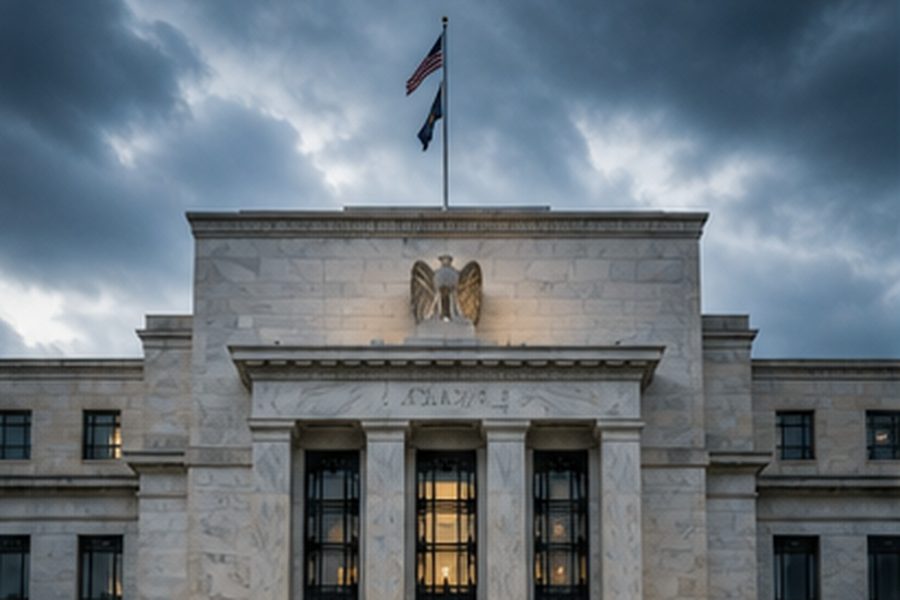
The timing is significant. The drop in confidence comes just days after the US Federal Reserve, under a chair appointed by President Trump, defied expectations by raising interest rates, as reported by BBC News (bbc.co.uk). The move surprised markets and has global implications, particularly for economies like the UK where households are already sensitive to rate changes. The combination of domestic rate fears and a tightening global monetary environment creates a dual squeeze on UK demand and funding costs.
What the Confidence Data Shows
The Guardian reports that consumer confidence has reached its lowest level in three years. The decline is attributed to fears over an interest rate rise and a weakening job market, with the upcoming Budget adding to uncertainty. While the exact index reading is not disclosed in the source, the three-year low indicates a significant deterioration in sentiment. Households appear to be anticipating higher mortgage costs and reduced job security, which typically leads to cutbacks in non-essential spending. This matters because consumer confidence is a leading indicator of spending behaviour. When confidence falls, households often delay major purchases, reduce discretionary spending, and increase savings. For retailers, hospitality businesses, and consumer-facing service providers, this can translate into lower revenues and pressure on margins. The impact is not uniform; essential goods and value-oriented offerings may prove more resilient, while big-ticket items and premium products are likely to suffer first.The Fed's Surprise Move and Global Ripple Effects
The BBC reports that the Federal Reserve raised interest rates despite expectations to the contrary. The decision was notable because the chair, hand-picked by President Trump, defied political pressure to keep rates low. The rate hike signals a commitment to controlling inflation, even at the risk of slowing economic growth. For the UK, this creates a challenging backdrop. Higher US rates tend to strengthen the dollar, which can import inflation into the UK via more expensive imports. It also puts upward pressure on global borrowing costs, making it more expensive for UK businesses to access credit. The Fed's action may also influence the Bank of England's thinking. If the BoE feels compelled to follow suit to defend the pound and manage inflation, UK households could face higher mortgage and loan repayments sooner than expected. This would further dampen consumer confidence and spending. Alternatively, if the BoE holds rates steady, the pound could weaken, exacerbating imported inflation. Either way, the scope for monetary policy to support growth appears limited.Commercial Impact: What Operators Should Consider
For businesses, the immediate priority is to stress-test revenue forecasts against a scenario of weaker consumer spending and higher borrowing costs. Consumer-facing sectors such as retail, hospitality, and leisure are most exposed. Operators should review pricing strategies, inventory levels, and marketing spend. Discounting may become more necessary to drive volume, but this can erode margins. Alternatively, focusing on value propositions and customer retention may help weather the downturn. Financing decisions also warrant attention. With global rates rising, locking in financing before further volatility could be prudent. Businesses with variable-rate debt should model the impact of higher repayments. Those considering expansion or capital investment may need to reassess timelines or seek fixed-rate options. Cash flow management becomes critical; extending payment terms with suppliers or tightening credit control can help preserve liquidity.Risks and Unknowns
The primary risk is that consumer confidence continues to fall, leading to a sharper-than-expected contraction in spending. If the job market weakens significantly, the impact could be more severe. The Budget is a key unknown; tax rises or spending cuts could further squeeze household incomes. On the global front, the Fed's future rate path is uncertain. If inflation remains stubborn, further hikes could follow, intensifying the squeeze. Conversely, if economic data deteriorates, the Fed might pause or reverse course, providing some relief. Another unknown is the reaction of the UK housing market. Higher mortgage rates could cool demand and prices, affecting homeowners' wealth and spending. The rental market could also face pressure if landlords pass on higher costs. For businesses, the key is to monitor leading indicators such as job vacancies, wage growth, and retail sales data.FY Outlook
In the near term, UK consumer confidence is likely to remain weak. The dual pressures of domestic rate fears and global monetary tightening are unlikely to ease quickly. Operators should plan for a period of subdued demand and higher financing costs. Scenario planning should include a base case of flat to slightly negative consumer spending growth, and a downside case of a more pronounced contraction. Flexibility in operations and finances will be essential. Over the medium term, the trajectory depends on inflation and central bank actions. If inflation cools and rates stabilise, confidence could recover. However, the process may be gradual. Businesses that adapt early, by managing costs, refining value propositions, and securing financing, will be better positioned when demand returns.Sources and References
- The Guardian (theguardian.com)
- BBC News (bbc.co.uk)
Why It Matters
Consumer confidence is a leading indicator of spending, and a three-year low signals that UK households are likely to cut back on discretionary purchases. For businesses, this means revenue forecasts may need to be revised downward, especially in consumer-facing sectors. The simultaneous rate hike by the Fed adds pressure on global funding costs, making it more expensive for UK firms to borrow. Operators who act early to stress-test budgets, adjust pricing, and secure financing will be better placed to navigate the downturn.The reporting and evidence for this briefing were checked against theguardian.com (theguardian.com) and bbc.co.uk (bbc.co.uk).