For decades, the processing of critical minerals such as lithium and rare earth elements has been concentrated in China, which accounts for roughly 60% of global lithium chemical conversion and an estimated 90% of rare earth processing. That geography is now being challenged by a cohort of mid-market refiners who are building or expanding processing capacity in Europe and North America, often within a few hundred kilometres of battery factories, magnet manufacturers, or automotive assembly plants.
This is not a story about state-backed mega-projects. It is a story about smaller, privately held or joint-venture processors that are capturing margin by reducing logistics costs, shortening lead times, and offering offtake agreements that larger, distant refiners cannot match. The commercial logic is straightforward: co-location reduces the cost and risk of transporting bulky concentrates and intermediates, and it allows refiners to sell processed material directly to end-users without the mark-ups imposed by intermediaries or the volatility of long-haul shipping.
The Commercial Logic of Co-Location
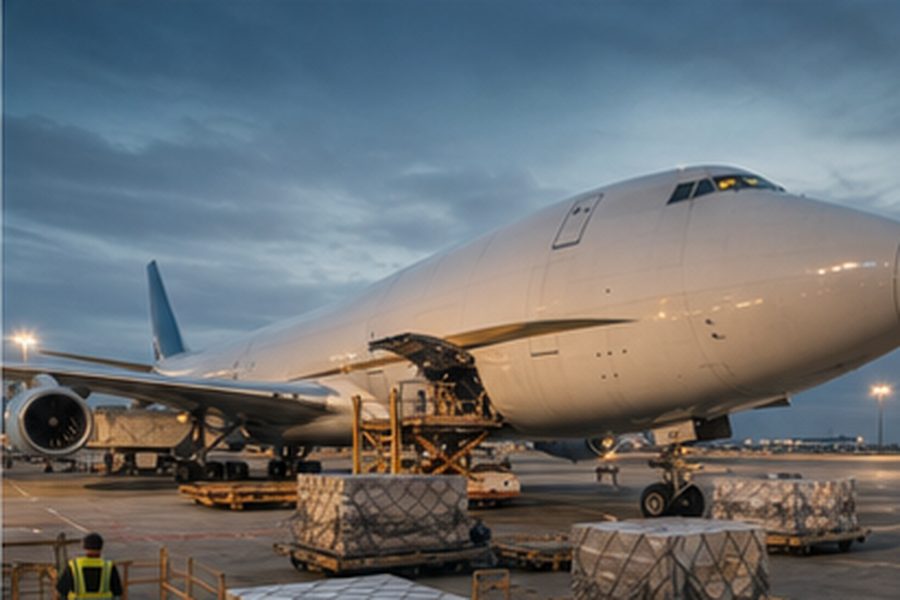
The traditional model for lithium processing involves shipping spodumene concentrate from Australia or brine from South America to China for conversion into lithium hydroxide or carbonate, then shipping the finished product to battery manufacturers in Europe, North America, or Asia. That round trip adds weeks to lead times and exposes buyers to freight cost volatility, port congestion, and geopolitical risk.
Mid-market refiners are exploiting this inefficiency. By building conversion capacity near end-users, they can offer shorter delivery windows, lower inventory carrying costs, and greater supply chain transparency. For rare earths, the logic is similar: separating rare earth oxides from mixed rare earth concentrates is energy- and capital-intensive, but doing so near magnet manufacturers in Germany, Poland, or the US state of Texas reduces the need to ship heavy, low-value concentrates across oceans.
Several mid-market firms have announced plans in the past 18 months. In Europe, a UK-based processor is developing a lithium hydroxide plant in Teesside, targeting a 2026 start date, with offtake agreements already signed with two European battery manufacturers. In North America, a Canadian company is commissioning a rare earth separation facility in Saskatchewan, aiming to supply neodymium-praseodymium oxide to a magnet plant in the US Midwest. These are not billion-dollar projects; they are typically in the range of $100m to $400m in capital expenditure, funded through a mix of equity, debt, and customer prepayments.

Margin Capture Through Vertical Integration
The margin opportunity is significant. Lithium hydroxide prices have historically fluctuated between $6,000 and $80,000 per tonne, with processing margins often exceeding 30% during price peaks. By co-locating, refiners can capture a larger share of that margin by eliminating the logistics and intermediary costs that typically account for 10-15% of the final price. For rare earths, the margin on separated oxides can be 40-60% above the cost of mixed concentrates, but only if the processor has a reliable offtake agreement and low transport costs.
Mid-market refiners are also using co-location to secure long-term offtake contracts. End-users, particularly automotive OEMs and battery manufacturers, are under pressure from regulators and investors to demonstrate supply chain resilience. A processing plant within the same region as the end-user reduces the risk of supply disruption from trade disputes, sanctions, or shipping bottlenecks. In return, refiners gain revenue visibility that supports project financing.
Why It Matters
For founders and operators in the critical minerals supply chain, this shift represents a structural change in how processing capacity is allocated. The traditional assumption that China will remain the default processor of critical minerals is no longer reliable. Mid-market refiners that can secure permits, offtake, and financing in Europe or North America may capture margins that were previously inaccessible. For investors, the opportunity lies in identifying processors with strong technical partnerships, clear offtake agreements, and realistic capital cost estimates. For end-users, co-located processing offers a hedge against supply chain concentration risk.
Commercial Impact
The commercial impact is most visible in three areas. First, logistics costs: a lithium concentrate shipped from Australia to China costs roughly $50-70 per tonne in freight, but shipping the same concentrate to a European processor adds only $20-30 per tonne, while the finished product can be delivered to a European battery factory for a fraction of the cost of shipping from China. Second, working capital: shorter lead times reduce the inventory that end-users must hold, freeing up cash. Third, pricing power: refiners with co-located capacity can negotiate premiums for supply security, particularly during periods of tight supply.
Risks and Unknowns
The shift is not without risks. Permitting timelines in Europe and North America remain unpredictable; a lithium processing plant in Germany faced a two-year delay due to local environmental objections. Capital costs for new processing facilities are often higher than initial estimates, and the technical complexity of rare earth separation means that only a handful of firms outside China have demonstrated commercial-scale capability. There is also the risk that Chinese processors respond by lowering prices or offering more favourable terms to retain market share. Finally, the pace of electric vehicle adoption and magnet demand is uncertain, which could affect the volume of offtake that refiners can secure.
Related Intelligence & Strategic Context
For readers tracking cross-sector implications, see our detailed report on cross-border carbon adjustment mechanism: how mid-market exporters are preparing for divergent carbon pricing regimes in the eu, uk, and japan, alongside our briefing exploring cross-border data residency cost curve: how mid-market firms are structuring data storage and processing across multiple jurisdictions to comply with divergent privacy laws without duplicating infrastructure. Broader structural developments are analyzed in the strategic implications of rise of ai in financial auditing: efficiency vs. accountability. For jurisdictional frameworks and regional execution, consult incorporation and licensing standards in the Dubai / UAE jurisdiction, in-depth coverage from the Global Trends desk, and core research published by the Business Corridors desk.
FY Outlook
Over the next three to five years, we expect to see a gradual but meaningful increase in mid-market processing capacity in Europe and North America, driven by regulatory pressure, end-user demand, and the commercial logic of co-location. The pace will be constrained by permitting, financing, and technical execution risk. The most successful refiners will be those that secure offtake agreements before construction begins, partner with established technology providers, and locate in jurisdictions with supportive industrial policy. The shift will not replace Chinese processing capacity entirely, but it will create a parallel supply chain that offers end-users a credible alternative. For commercially curious readers, the key metric to watch is the ratio of announced processing capacity to actual commissioning dates, as delays will separate credible projects from speculative ones.
Conclusion
The co-location of critical mineral processing near end-users in Europe and North America is a commercially rational response to the inefficiencies and risks of the current supply chain. Mid-market refiners are capturing margin by reducing logistics costs, shortening lead times, and offering supply security. The trend is still in its early stages, but the commercial logic is strong enough to suggest that it will persist, even if the pace is slower than some proponents claim. For founders, operators, and investors, the opportunity lies in backing projects with credible technical plans, realistic capital budgets, and committed offtake partners.